What is Laser Cutting?
Laser cutting uses a focused laser beam to cut, score, or engrave material. The laser follows programmed paths based on two-dimensional geometry prepared in a digital file.
Unlike processes that use a physical cutting tool, the laser removes material using concentrated heat. Different combinations of laser power, speed, and other settings determine whether the material is cut completely through, lightly scored, or engraved.
Because the laser follows two-dimensional geometry, laser cutting is especially useful for producing flat components that can be assembled into larger models, structures, or prototypes.
Laser Cutting Operations
Rastering (Engraving): Processes the image like a traditional printer by moving the laser back and forth to fill a specific region.
- Color: Black RGB (0, 0, 0)
- Purpose: Used for shading, textures, and solid fills.
- Tradeoff: Significantly increases machine time. Rastering a large area is much slower than vectoring.
- Workflow: Best for graphics or thick text where a “filled” appearance is required.

Scoring (Vector): Traces a path using low power and high speed to mark the surface without cutting through the material.
- Color: Blue RGB (0, 0, 255)
- Purpose: Ideal for drawing outlines, labeling parts, or creating fold lines for bending material.
- Advantage: Much faster than rastering for thin lines and text.
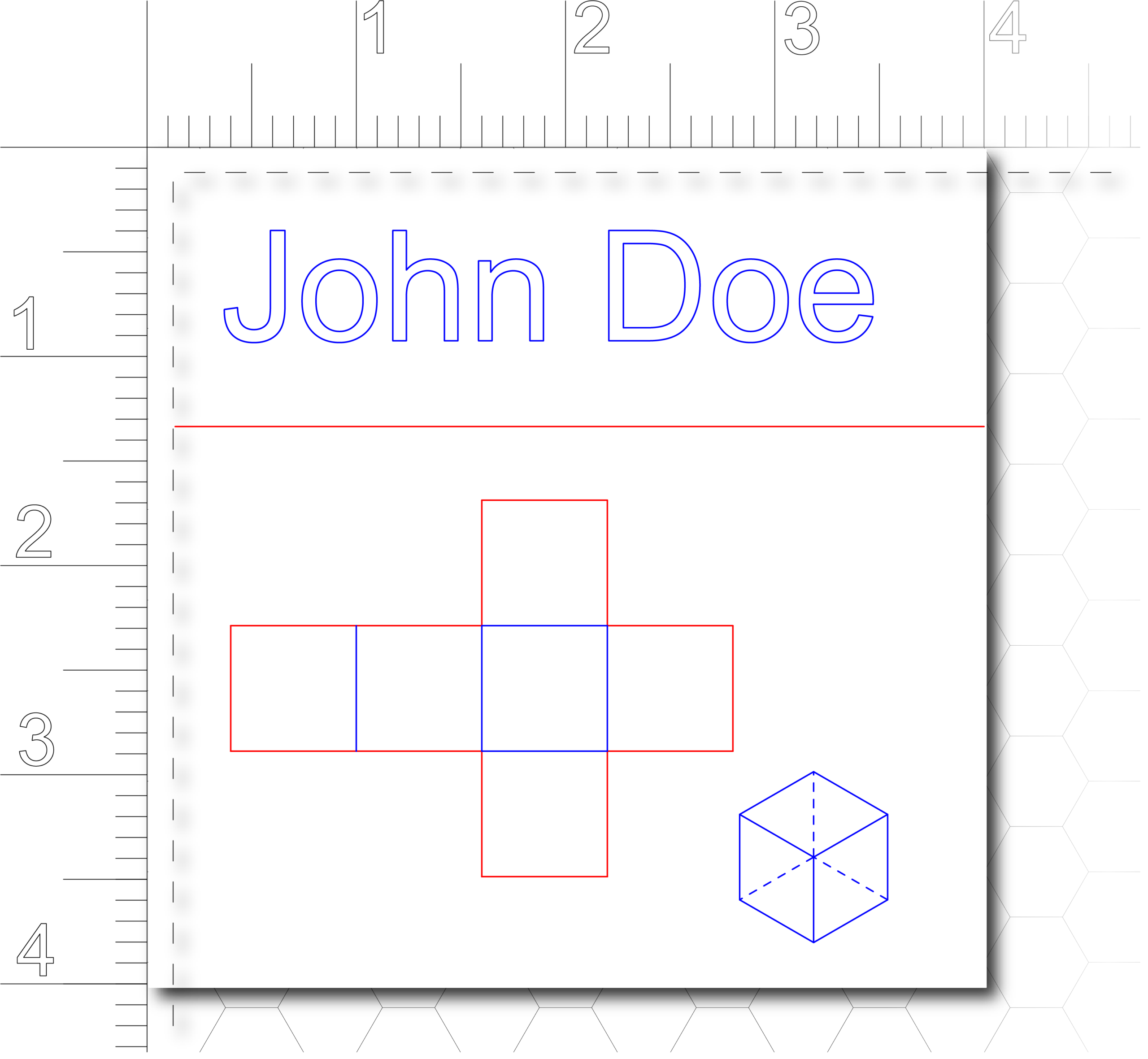
Cutting (Vector): Slices completely through the material using high power and low speed.
- Color: Red RGB (255, 0, 0)
- Purpose: The primary method for separating individual components from a sheet.
- Application: Essential for creating structural pieces, windows, and joinery slots.
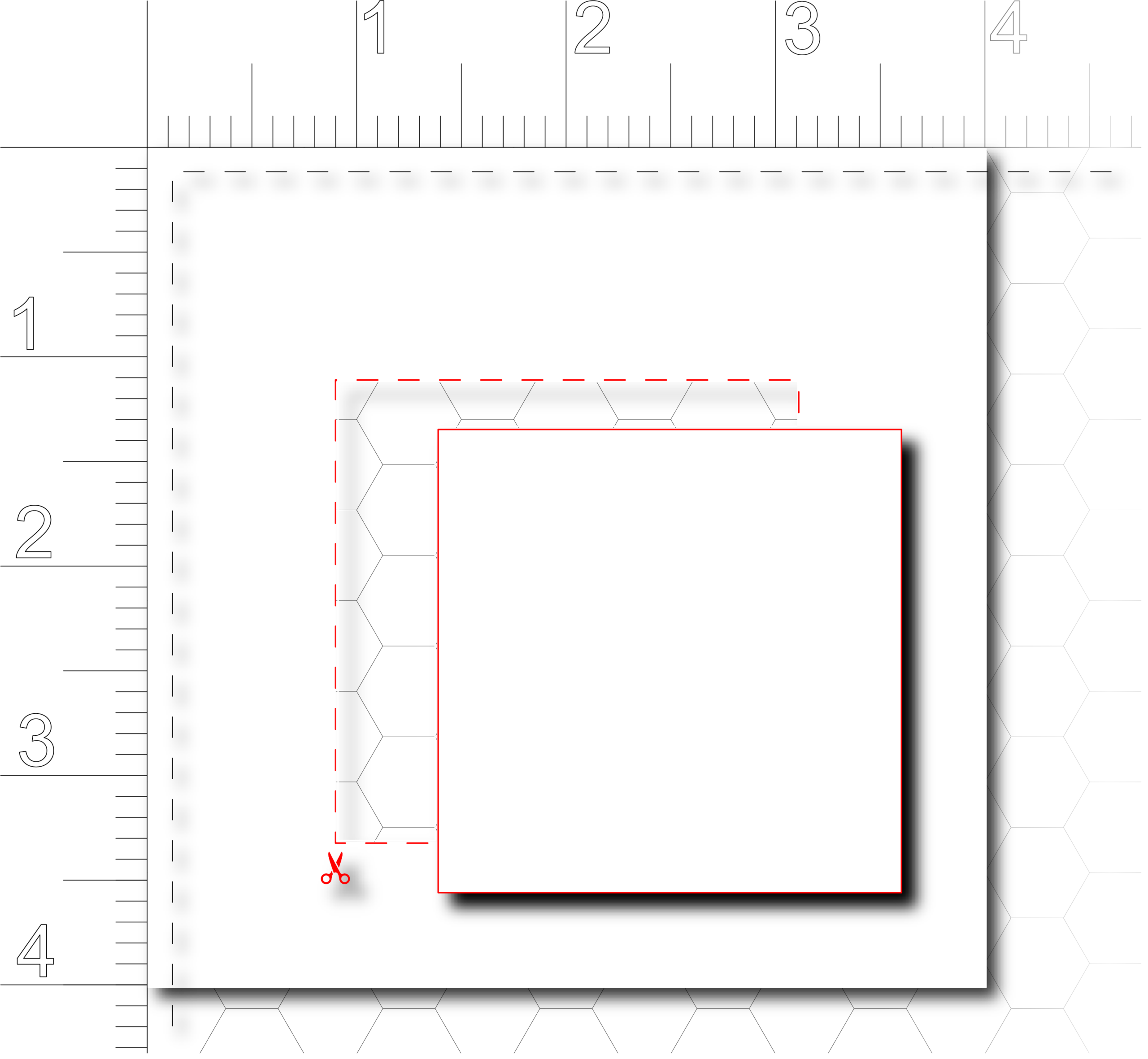
Laser Cutting Tolerances: Understanding tolerances ensures that your physical model pieces fit together as designed.
- The Kerf: The laser beam burns away a small amount of material (typically 0.1mm – 0.2mm).
- Design Adjustment: For “press-fit” joinery or slots, you must account for this material loss. It is advised to perform test cuts to confirm design tolerances are correct.
